



 English
 Français
 Deutsch
 Italiano
 Português
 Русский
 Español
 简体中文
简体中文 हिन्दी
 日本語
日本語
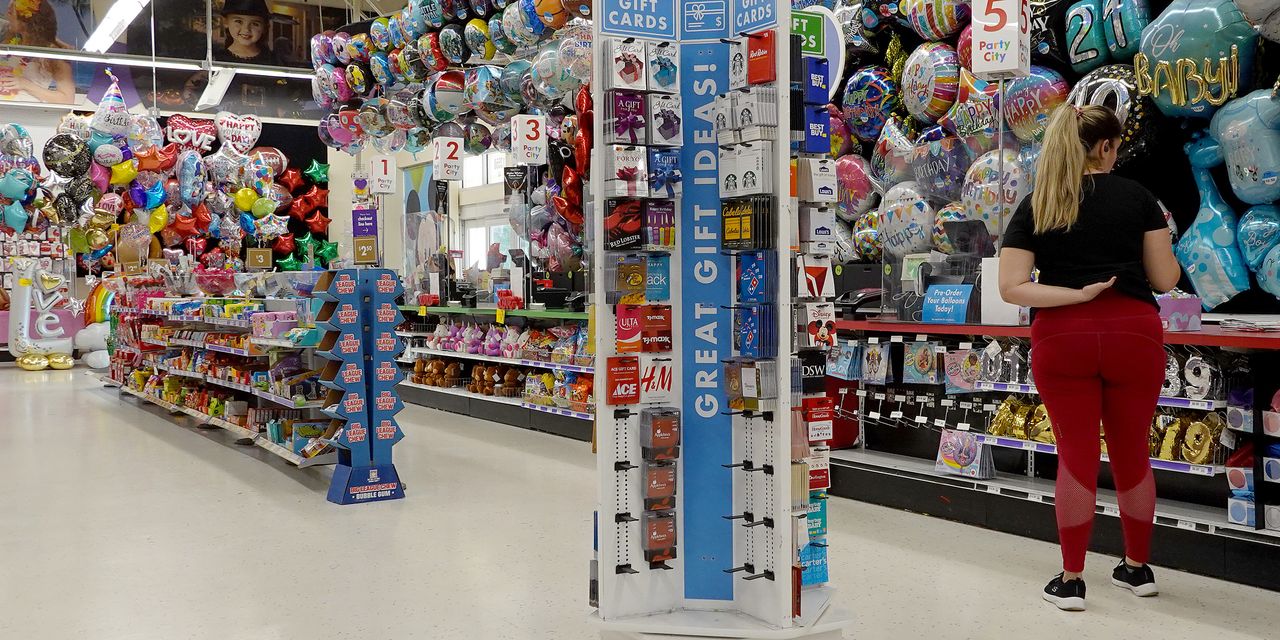
The most-indebted companies are facing higher interest expenses on top of wage and price inflation. Party City is among the roughly 400 companies that have filed for bankruptcy this year.
Joe Raedle/Getty Images
It’s a great time to be investing in bonds. They’re paying much higher yields than they have in a long time. For example, the yield on the 10-year Treasury note rose to 4.34% in mid-August, its highest level since November 2007. Yields could remain elevated for a while, too, as it looks like the Federal Reserve will keep interest rates high for some time.
But while savers may be enjoying higher rates, especially on cash-like investments, borrowers aren’t so fortunate. Lofty rates hurt companies that issue a lot of debt, especially the floating-rate kind, which describes most business loans. Now, the most-indebted companies are facing higher interest expenses on top of wage and price inflation.
It isn’t surprising that the number of bankruptcy filings has jumped. Party City in January,
Bed Bath & Beyond
in April, and trucking company Yellow in August made headlines, but there are about 400 companies you may never have heard of that filed for bankruptcy this year, many of them part of leveraged buyouts. Those are the debtors that Moody’s Investors Service say are “the most vulnerable group to increasing interest rates and tighter lending conditions.”
Moody’s 12-month trailing default rate for lower-rated companies rose to 3.8% in the second quarter, up from 1.4% a year earlier. The ratings firm forecasts that defaults will rise to 5.8% in the first quarter of 2024, but it warns that they could go as high as 15.6% if economic conditions deteriorate.
While the credit cycle is turning down, it’s still early days. That’s an idea that Torsten Sløk, chief economist at Apollo Global Management, finds worrisome, rather than reassuring.
“This pickup in defaults started very unusually when we have a strong economic backdrop and the unemployment rate is very low” says Sløk. His historical data show that default rates typically accelerate once a recession has started and don’t peak until after it has ended. “Imagine where we will be once unemployment begins to move higher,” he says.
Meanwhile, the Fed is considering hiking rates more, and Chair Jerome Powell’s recent testimony suggests that he would like to keep them high for years. Banks, buffeted by a crisis in regional banks this spring, are starting to pull back on lending, which will only add to the pressure on indebted companies.
In other words, things could get a lot worse from here for credit markets. Sløk titled one recent note to investors, “A default cycle has started and investors aren’t paying attention.”
Savvy investors should look for problems to show up first in the market for leveraged loans (essentially loans made by companies that have a lot of debt). From there, trouble probably will move to the high-yield bond market, then investment-grade loans and bonds, and, ultimately, equity markets.
Sløk warns that the ripple effects could spread quickly if a major public company goes bust. “Just wait until you finally get a household name,” he says. “Within minutes, sentiment changes.”
Investment strategists who think the economy will head south next year routinely recommend that investors avoid leveraged loans. Gene Goldman, chief investment officer at Cetera Investment Management, says he doesn’t like the high-yield bond sector but still likes it better than leveraged loans.
So far, that market is holding up well broadly, but issues are emerging at the industry and issuer level, which have seen downgrades. Morningstar’s U.S. leveraged loan index is up an attractive 8.63% year to date due in good part to attractive yields.
Likewise, the $7.3 billion
iShares Floating Rate Bond
exchange-traded fund (ticker: FLOT), which tracks an index of investment-grade corporate loans, is up 4.2% so far this year, even as investors have been pulling money out of the fund. Investors poured into floating-rate loans as the Fed began increasing interest rates, but now they are leaving, more likely because of expectations that the Fed will start to lower rates than worries about the credit cycle.
Still, there are some early signs of investor concern about loan quality. Business development companies, publicly traded companies that hold business loans, marked down the value of loans in the portfolios in the second quarter to 96% of cost, according to equity research from Oppenheimer.
Jeffery Elswick, director of fixed income at Frost Investment Advisors, says some managers of collateralized loan obligation funds, who invest in derivatives made up of select tranches of debt, tell him that they’re seeing weaker credit fundamentals.
The high-yield bond market, however, remains priced for perfection. Elswick points out that BB-rated bonds, which are the first level below investment grade, are trading only 2.5 percentage points over U.S. Treasuries. The average spread over the past two decades is close to four percentage points.
“I’m not worried about the immediate end of the credit cycle,” Elswick says. “I’m worried that credit markets in general are not priced for any type of weakening.”
Although he expects the economy to deteriorate in 2024, junk-rated companies probably won’t have trouble refinancing their debt until 2025. There is still opportunity at the individual high-yield bond level, he says, but he’s generally paring back on below-investment-grade securities.
“From where we sit,” says Elswick, “it’s time to start to be a little cautious and slowly start taking a few cards off the table.”
Write to Amey Stone at [email protected]
Read the full article here